
Case Study - NARRATIVE CHANGE CAMPAIGN
Rethink Hunger campaign
Story-led campaign films for Oregon Food Bank that changed how Oregonians explain hunger.



THE CHALLENGE
Change how Oregonians think about hunger.
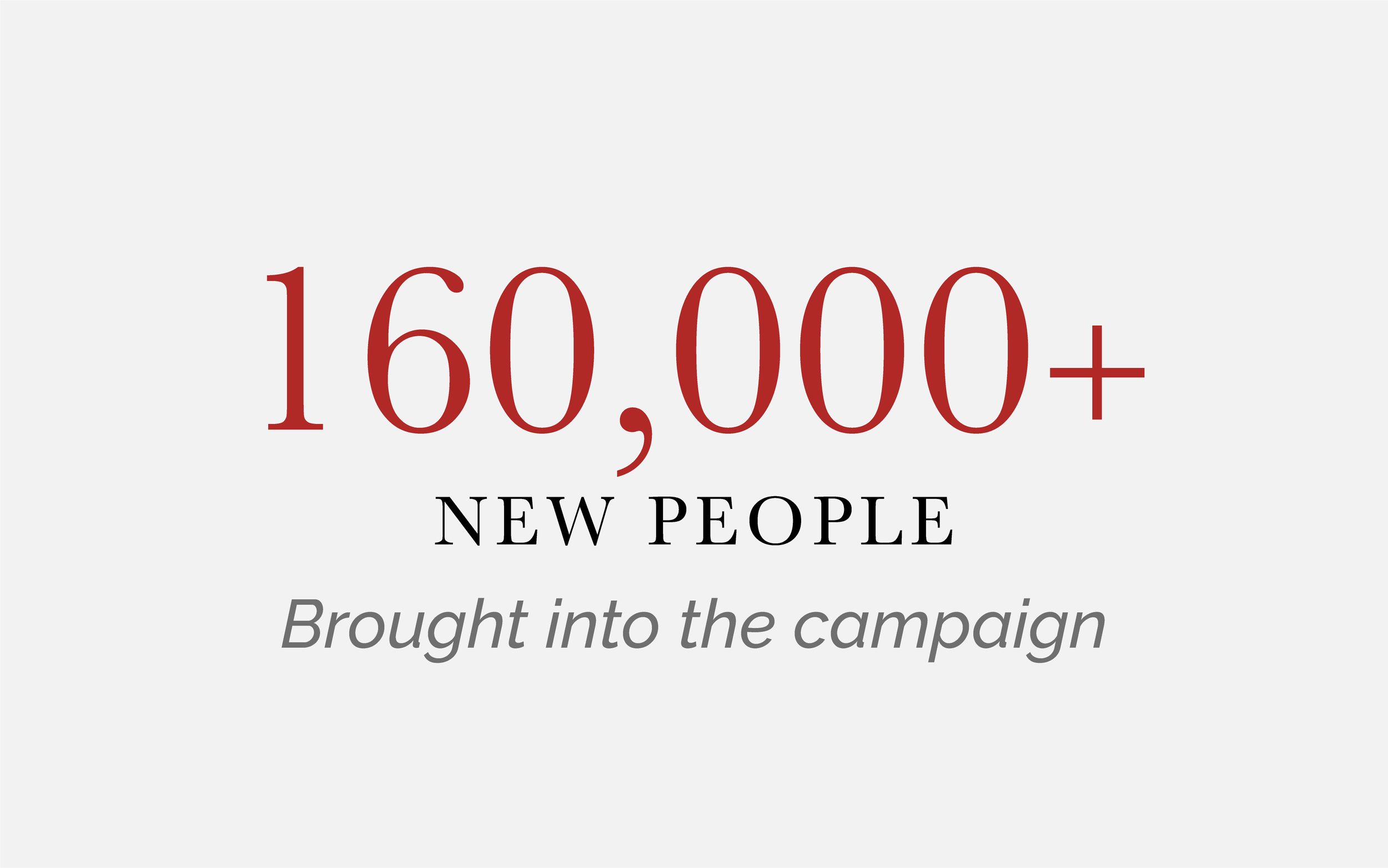
Oregon Food Bank set out to change how Oregonians understand hunger: as the outcome of systems and policy, not personal circumstance. Research showed the target audience already believed in food access, but hadn’t made that connection yet, and responded better to real stories than to advocacy messaging. So the campaign was built around real people telling their own stories.
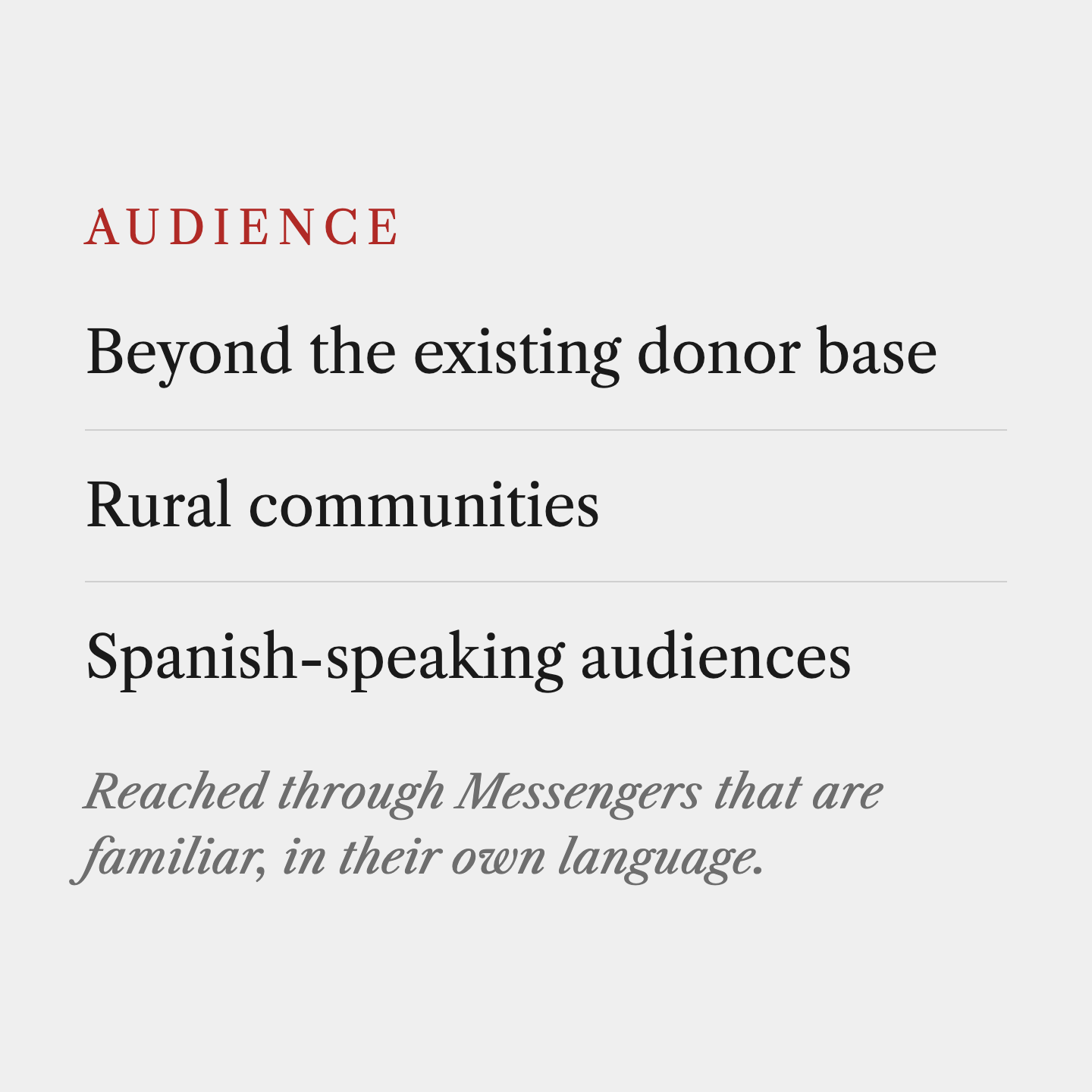
Shift the public conversation toward the root causes of hunger. Grow Oregon Food Bank’s community beyond its existing base.
PROCESS
-
20 pre-interviews. Four storytellers.
Roseto Films researched the demographics of each target region and defined the archetypes to cast against. From there, we ran 20 pre-interviews and selected four storytellers. Each one's narrative was shaped around Oregon Food Bank's messaging and goals. This groundwork became the backbone of the campaign.
-
Storytellers were filmed using documentary interview techniques, drawing out honest, unscripted answers.
Those interviews were transcribed and handed to a copywriter, who pulled the quotes and questions that shaped the campaign's written copy.
A photographer captured stills, and a graphic designer combined the photography and copy into the campaign's static ads.
-
Every campaign film ran two minutes. From those, we cut :15 and :30 ads for paid media, in English and Spanish.
2:00 film → :30 ad → :15 ad · English + Spanish
Watch the Films
Anita, a nurse
We Did Everything Right
A medical crisis and a lapsed insurance policy left Anita, a former nurse, and her husband, a healthcare worker, without enough to eat for the first time.
Jackie, a mother on the Oregon coast
Live Life,
Not Survive Life
Raising a child with special needs, Jackie faces hard choices about what her family can afford.
Maxi, a farmer
La comida
queda al final
Maxi grows food in Gresham and works closely with her community, her own hardship reflected in theirs.
How Do I
Feed My Family?
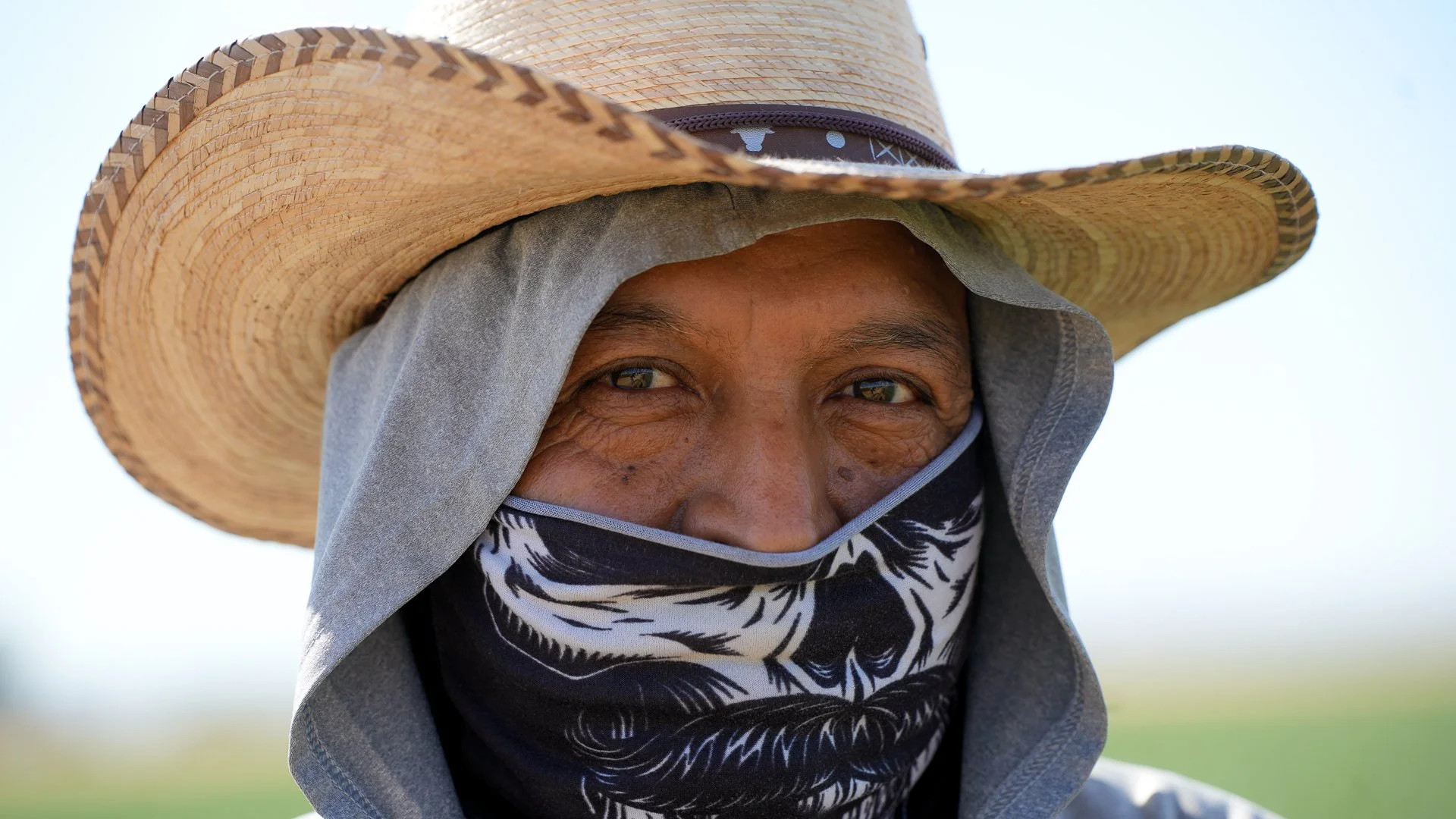
Ezequiel tells the story of a man who arrived in Ontario, Oregon with nothing, and shows what it’s like when there are no safety nets.